
Summary
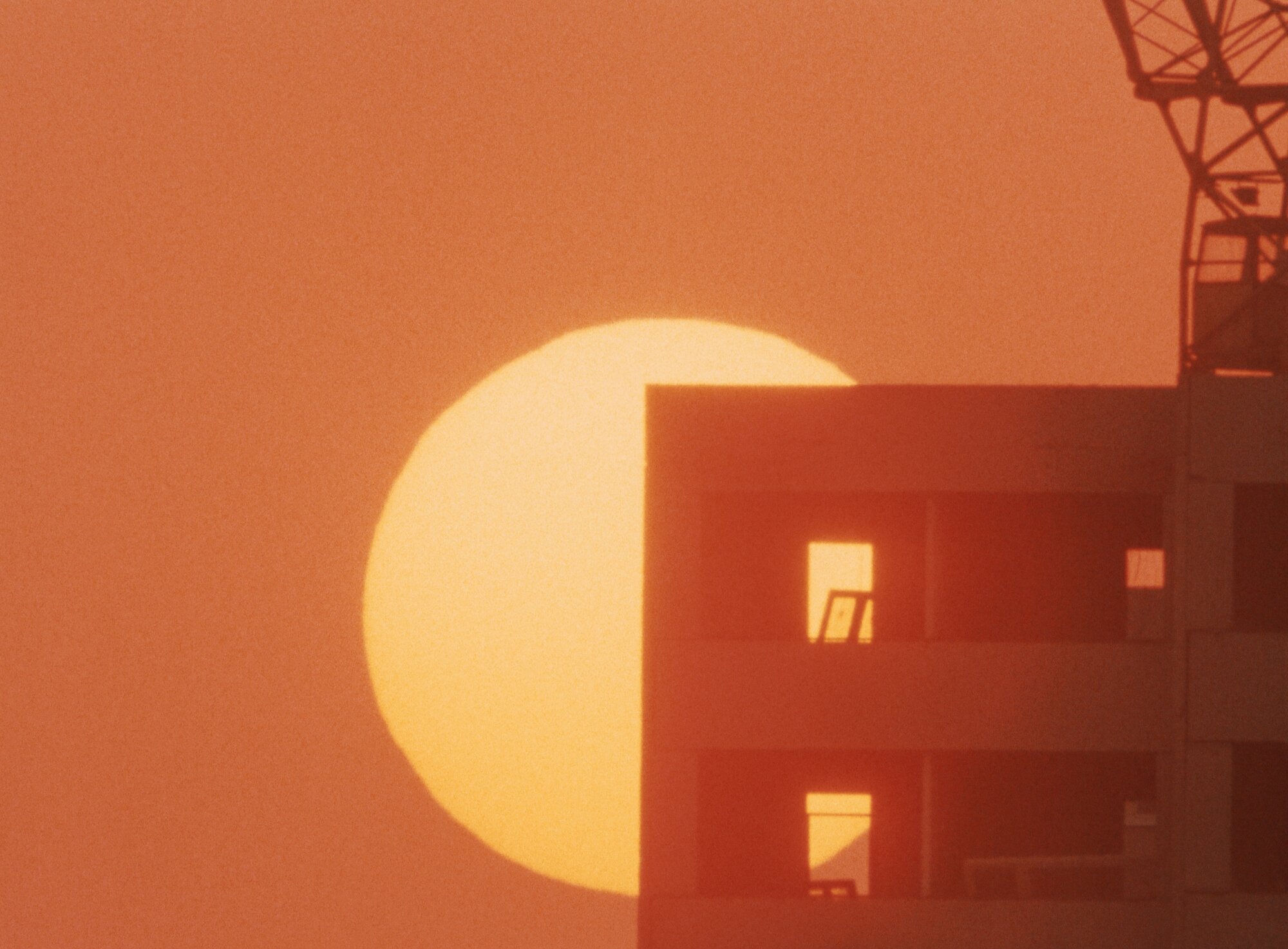
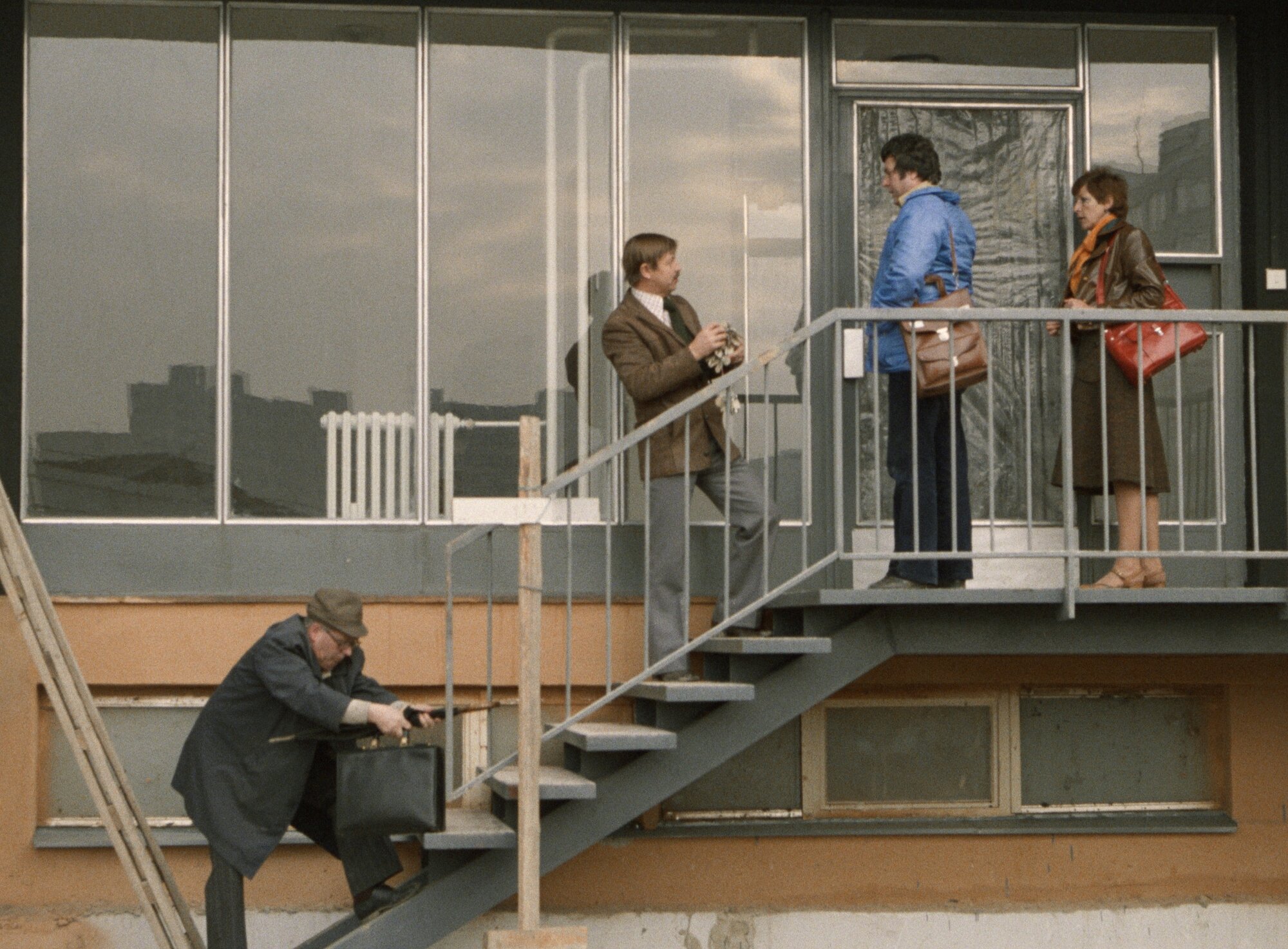
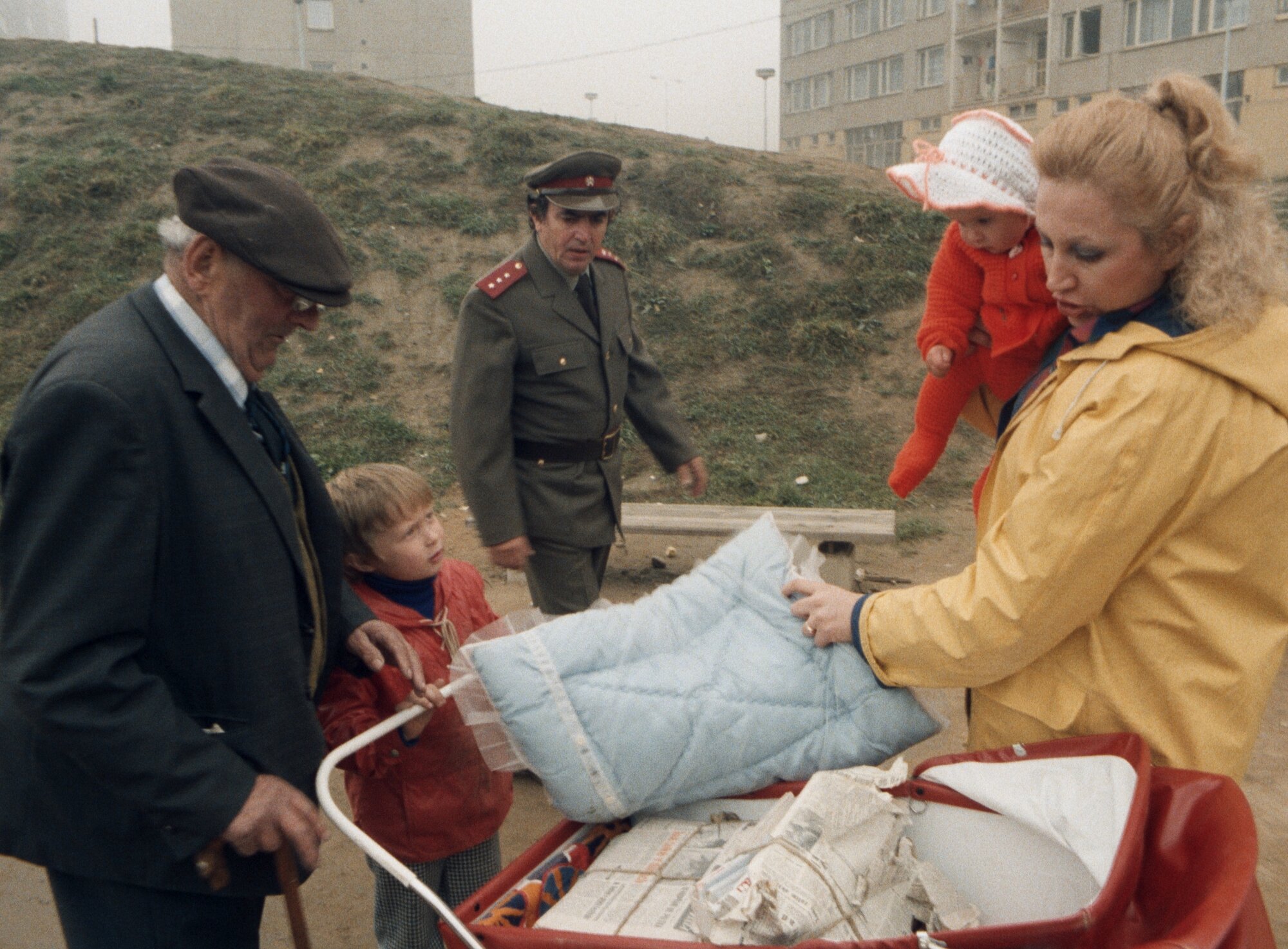
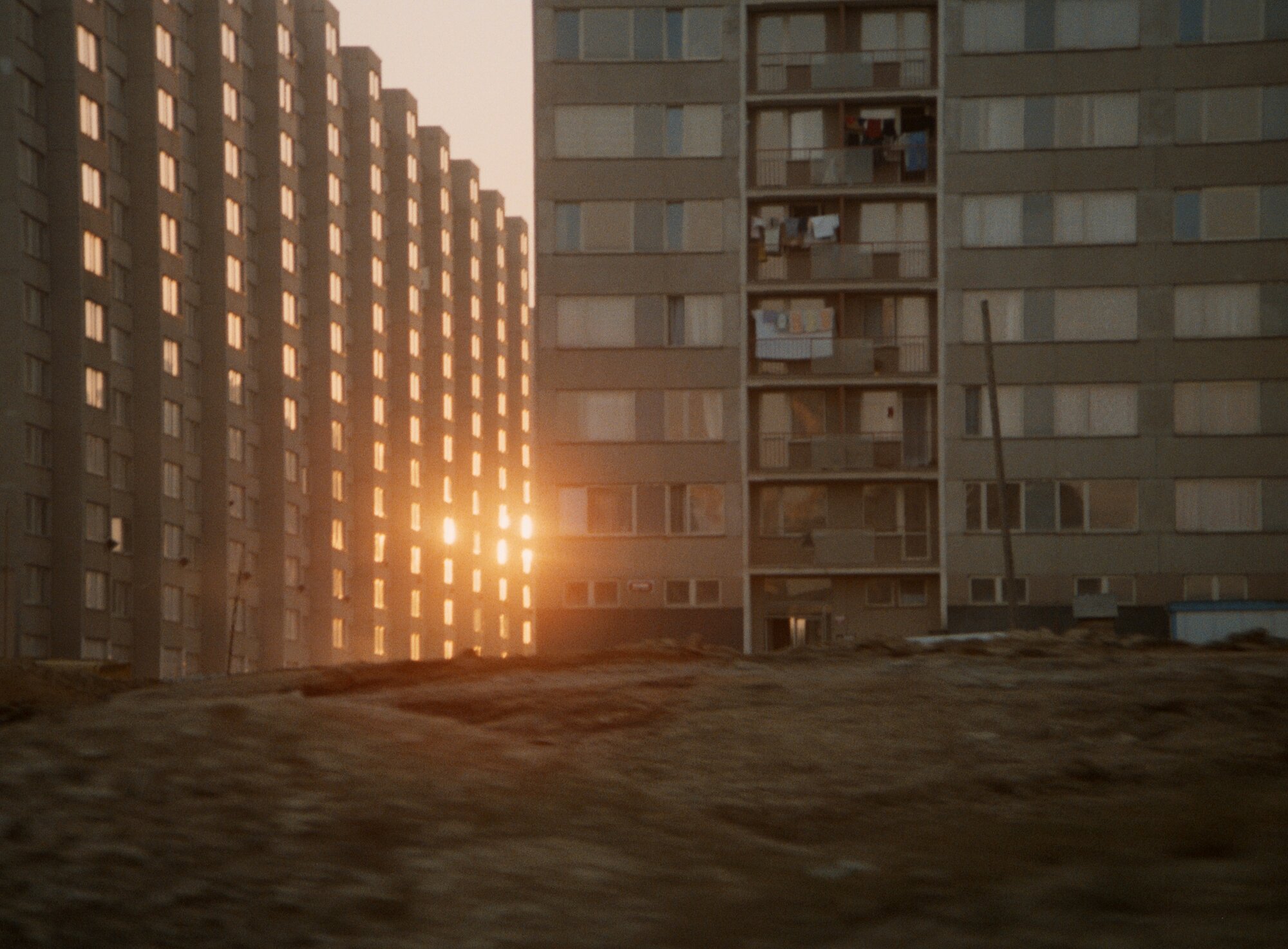
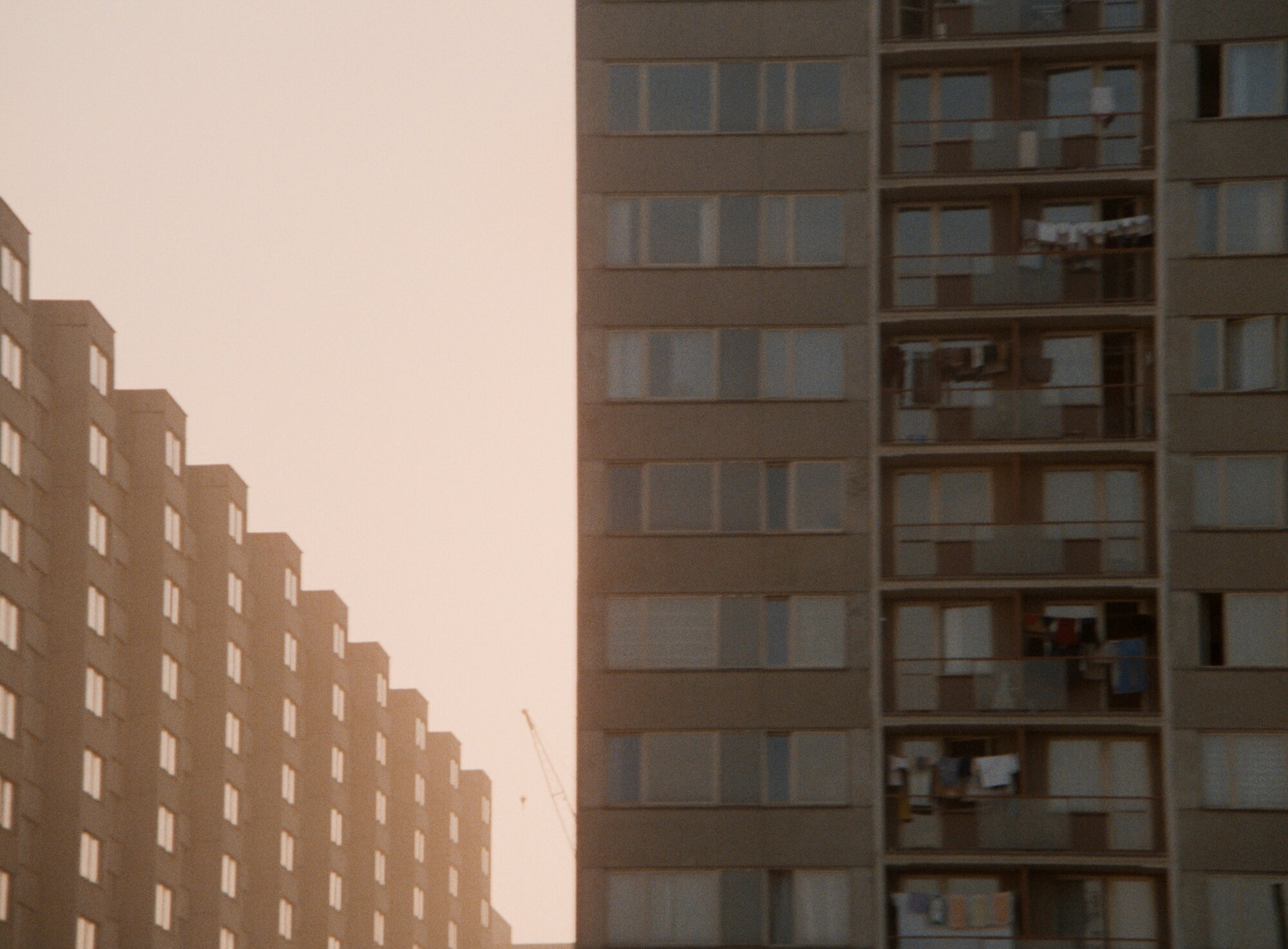
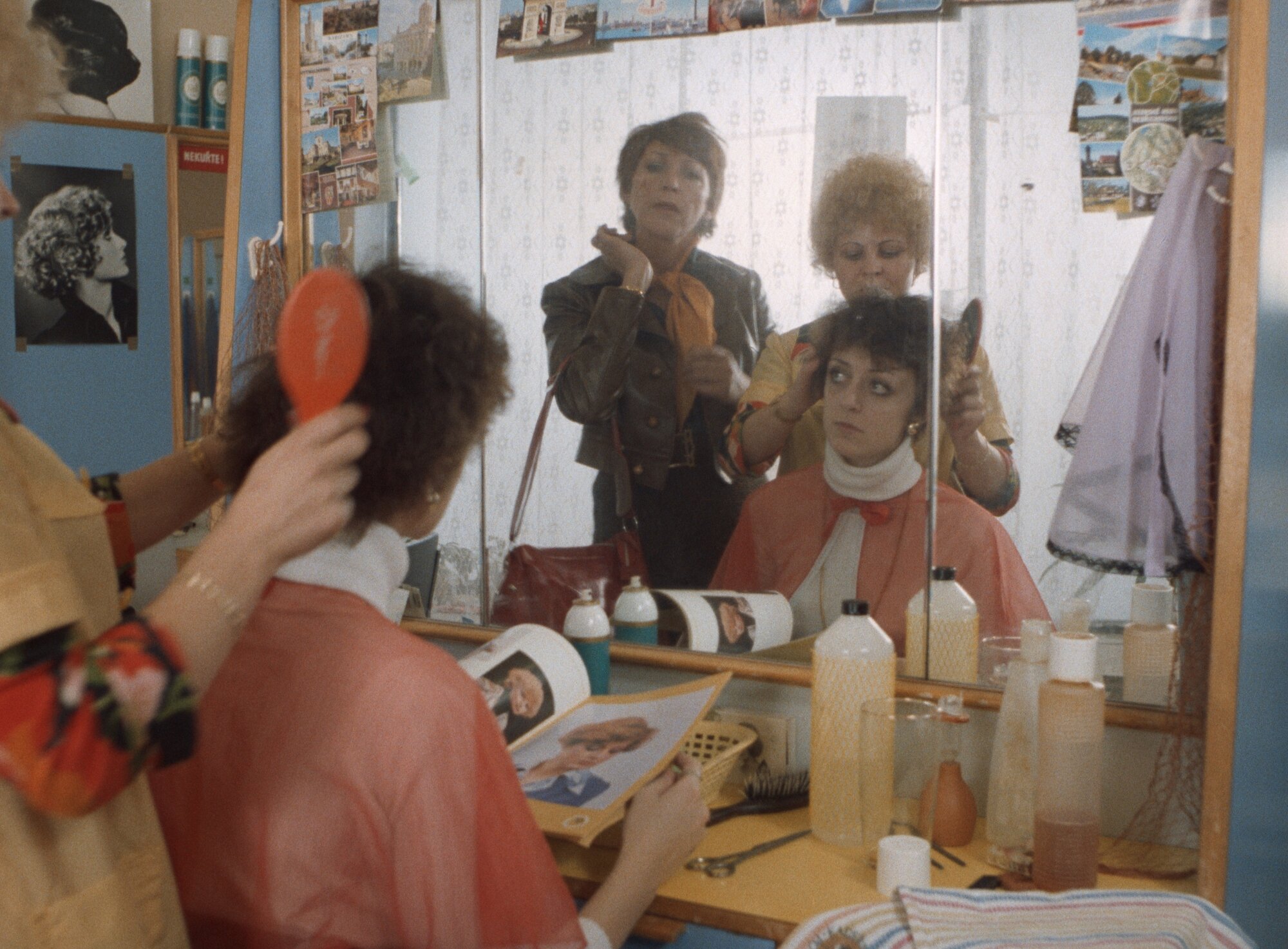
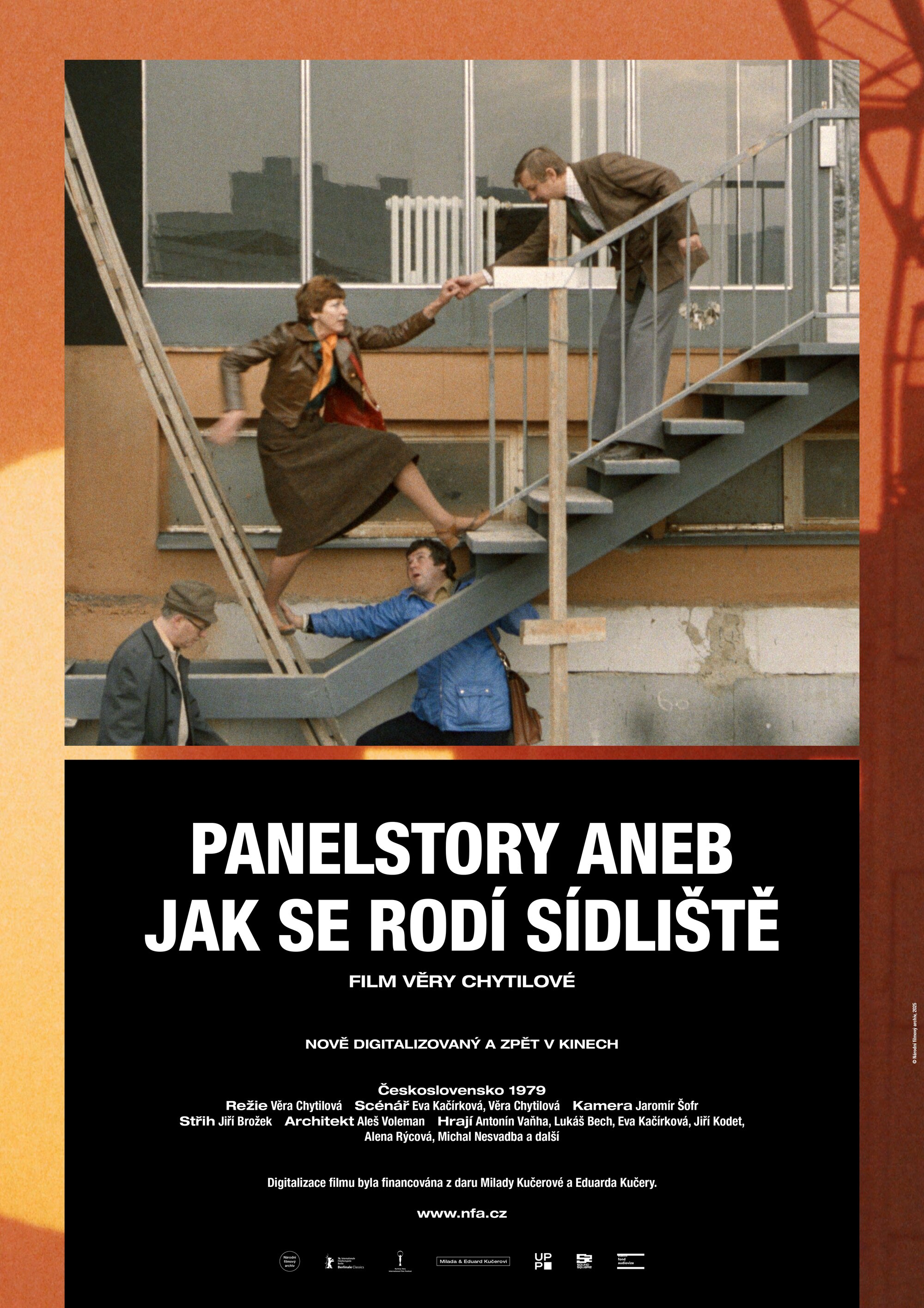
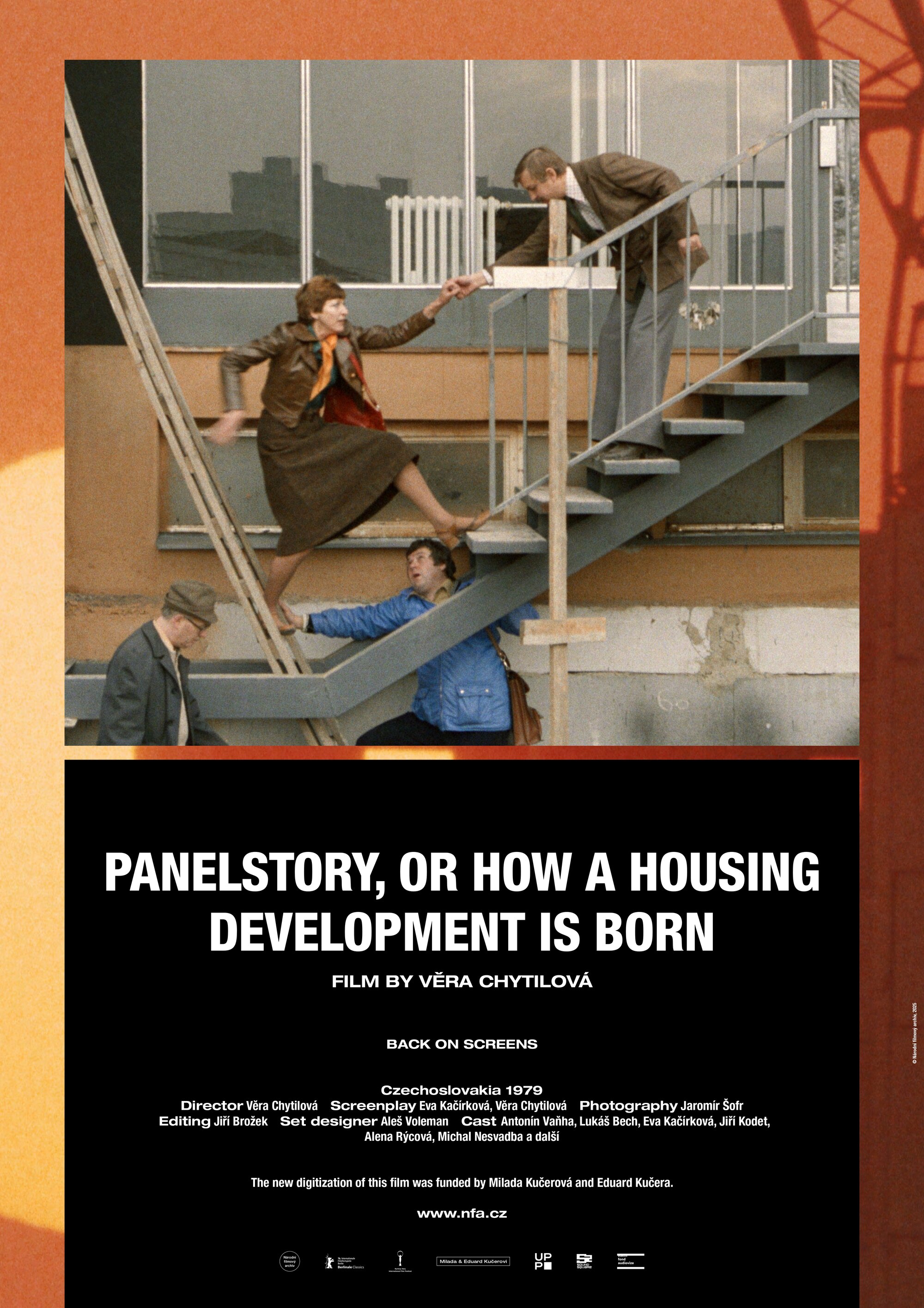
In the second half of the 1970s, Czechoslovak cinema entered a phase of a kind of revival and relaxation. Alongside František Vláčil and Dušan Hanák and others, Věra Chytilová was also able to return to making feature films. Shortly after The Apple Game, she made another similarly critical portrait of unstable interpersonal relationships. In Story from a Housing Estate, she uses a residential estate to represent a microcosm of society during the normalization period, a time in which nothing works because of laziness, apathy and communication barriers. All generations and different social groups are represented in this web of micro-stories. Amongst the actors and non-actors on screen, one of the roles is played by the co-author of the script, Eva Kačírková, who, as the wife of a builder, had a lot of inside information about how residential estates were built in Czechoslovakia. One of them, Prague's Jižní Město (South City), was also the location of the filming. The image of a community whose members pursue only their individual goals instead of shared socialist ideals was so telling and biting that the premiere was initially postponed, and even when it was screened it was only shown in a limited number of cinemas outside the big cities. Early audiences were able to see Story from a Housing Estate at the San Remo Film Festival in Italy, where it won the Grand Prize in 1980.