
Summary
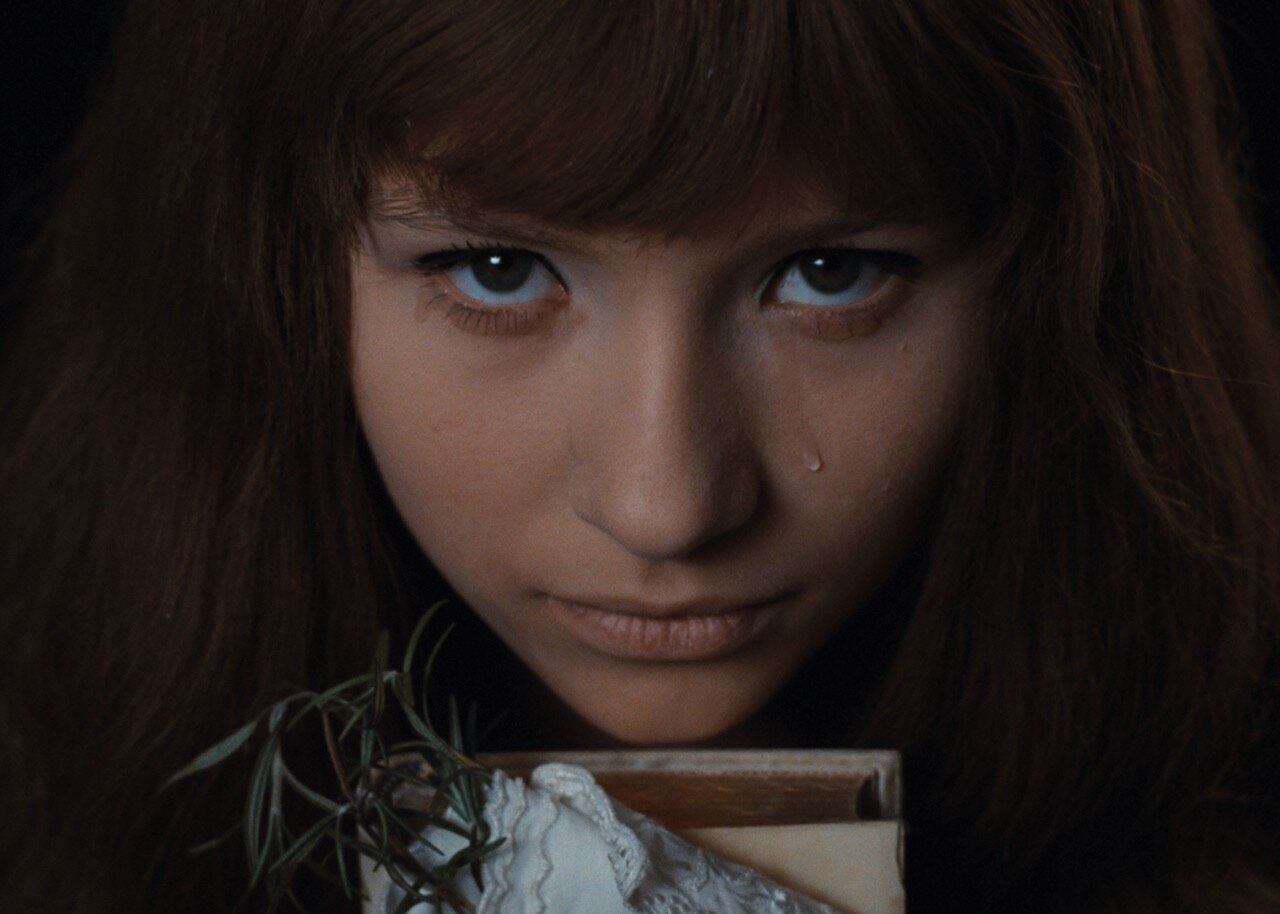
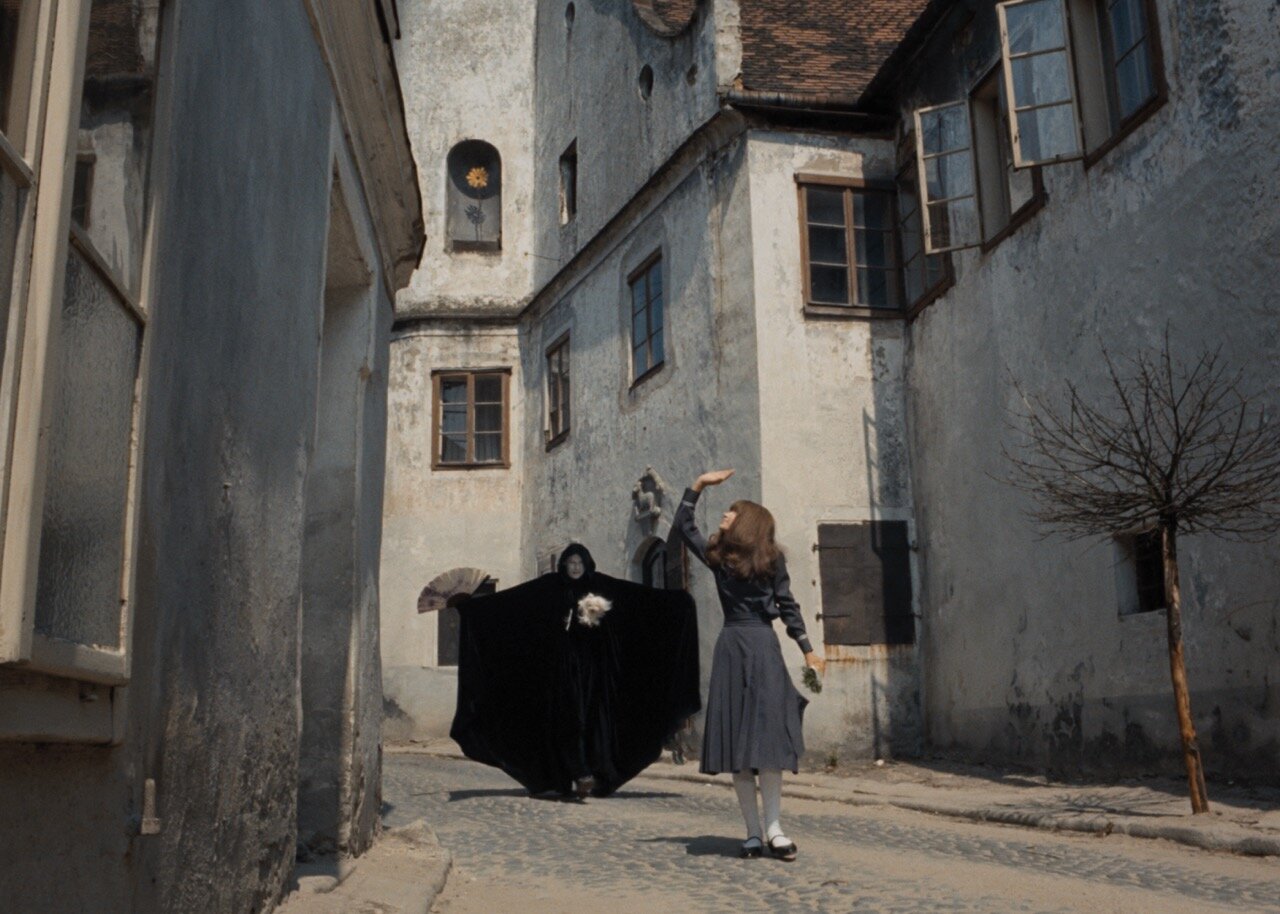
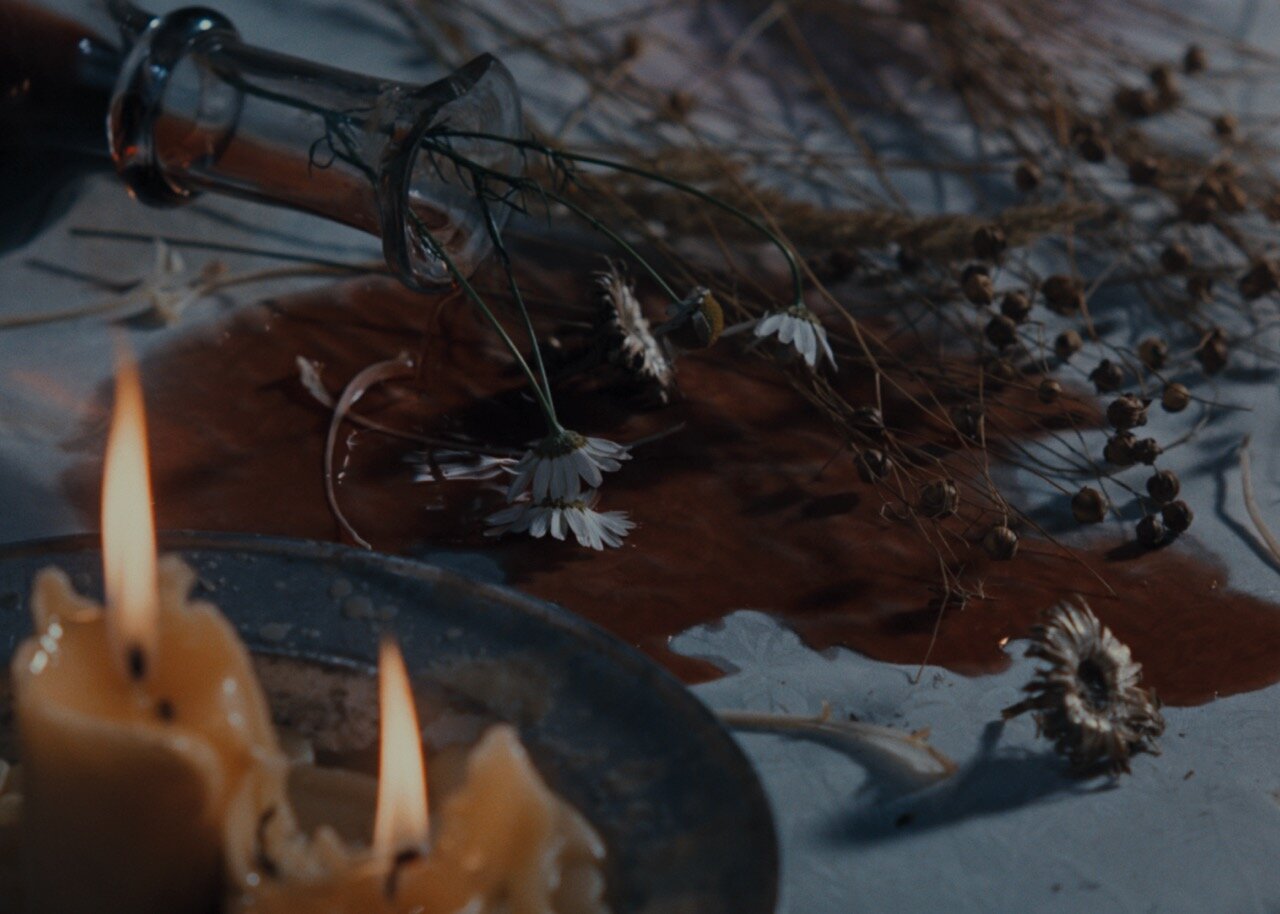
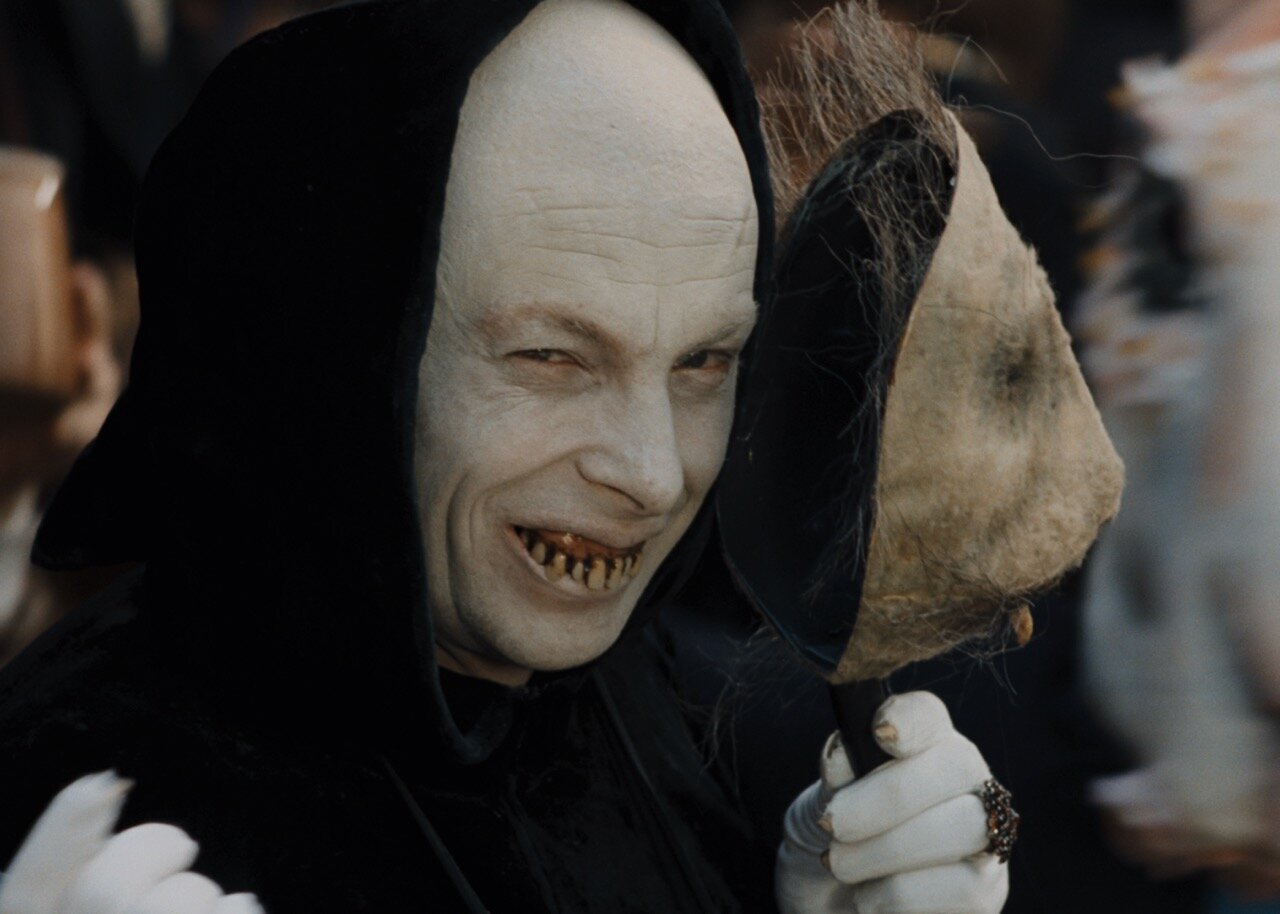
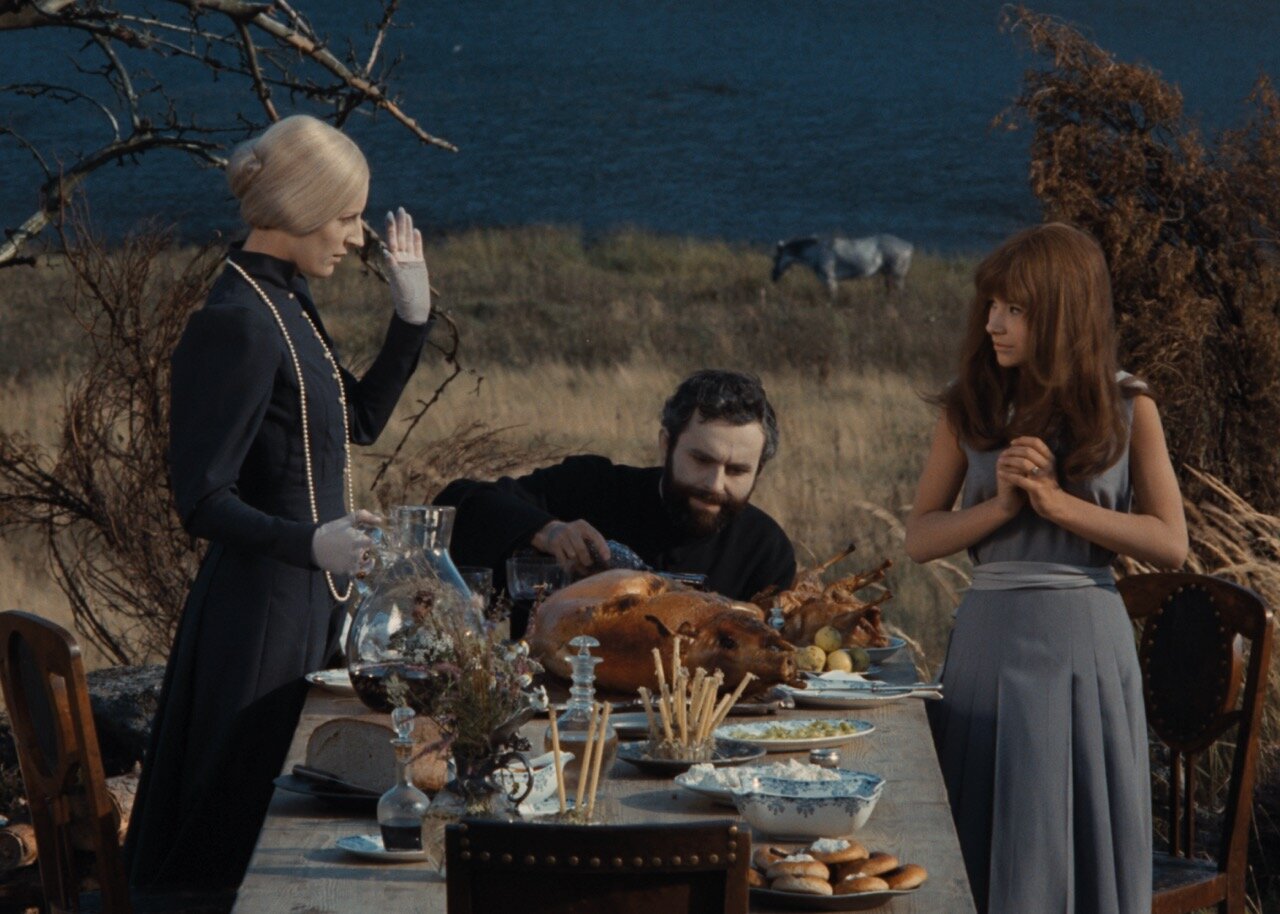
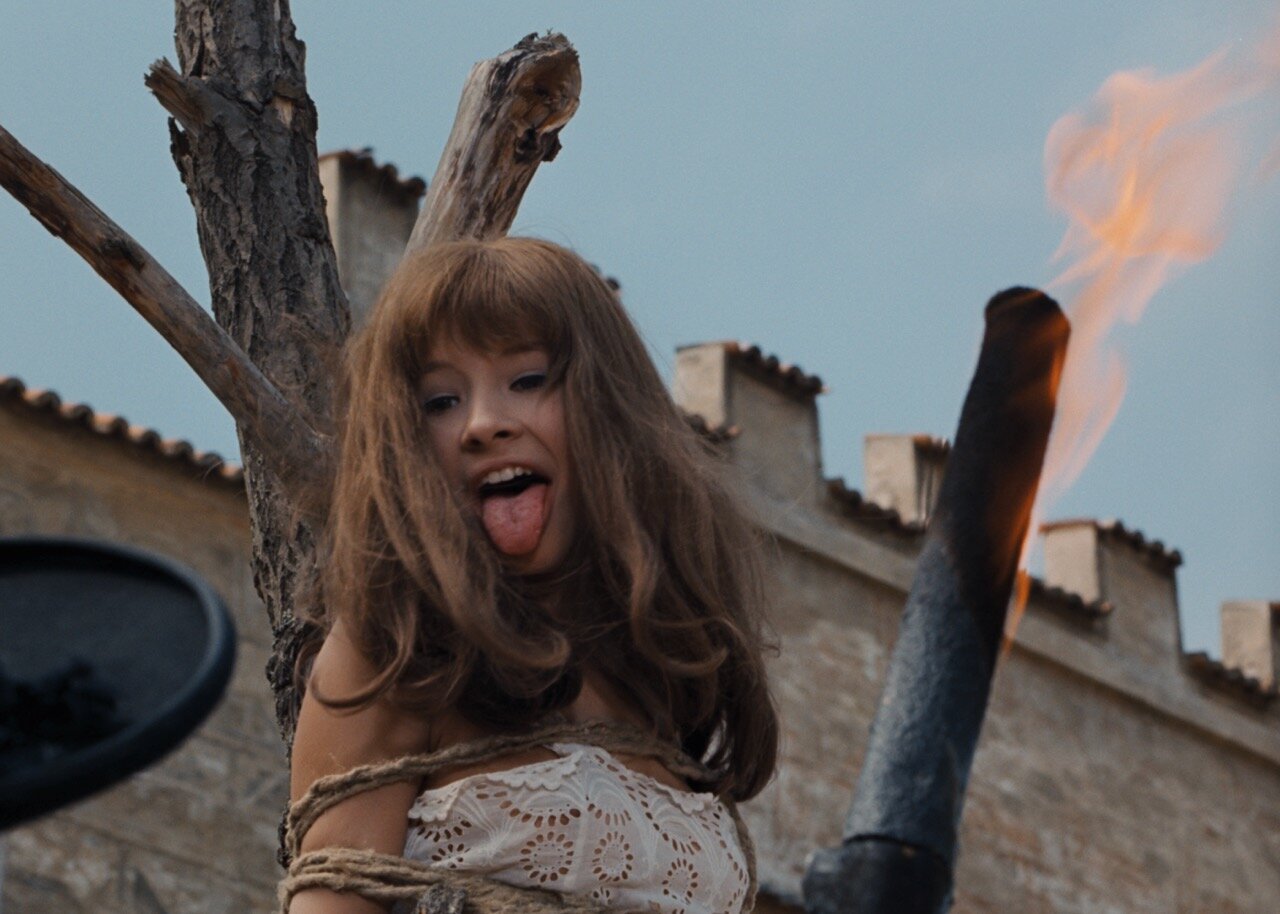
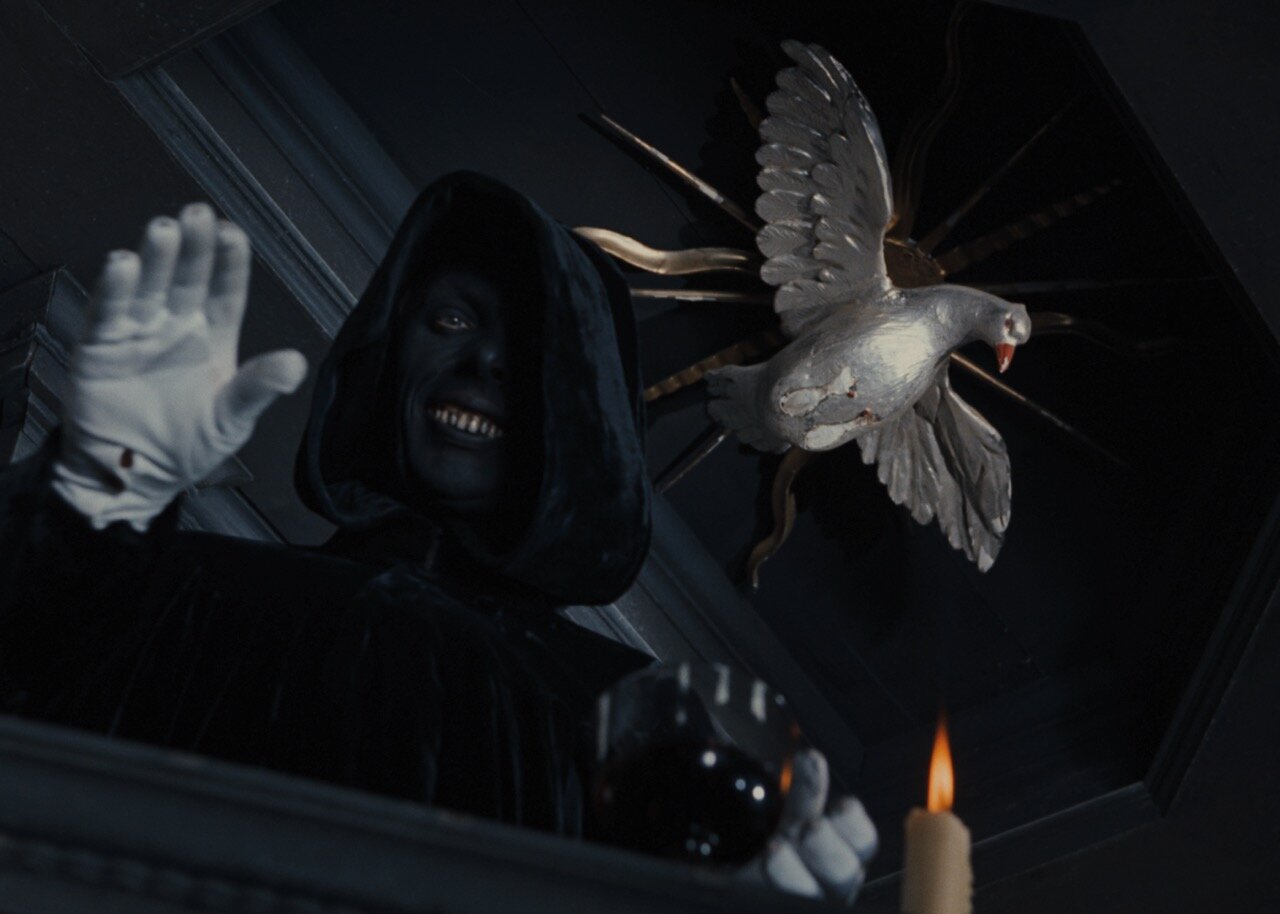
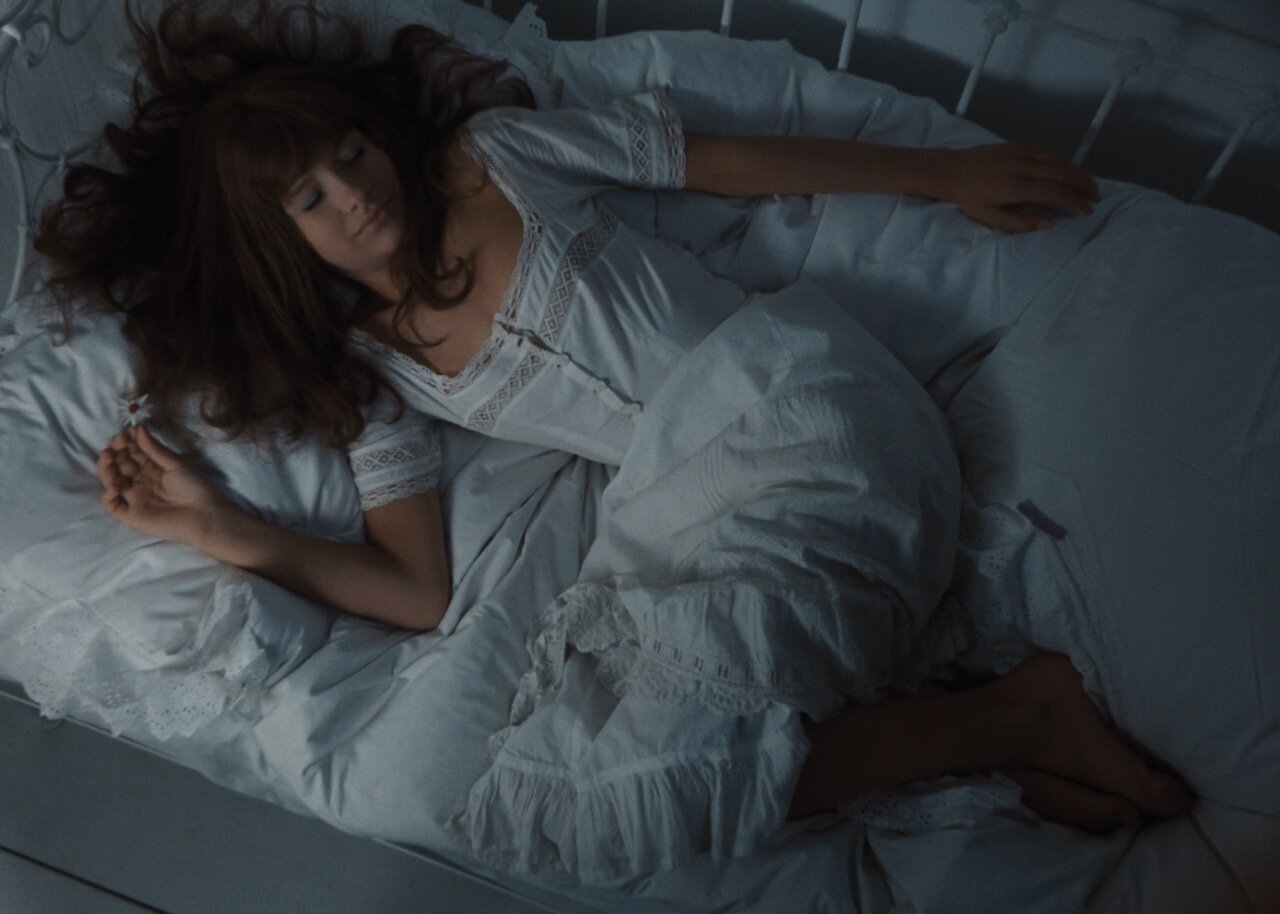
Set on the threshold between childhood and adulthood, Valerie and Her Week of Wonders (1970) follows a thirteen-yearold girl whose quiet life with her strict grandmother dissolves into a series of eerie and dreamlike encounters. As Valerie begins to question her own origins, she is drawn into a shifting world where identities blur, time bends, and familiar figures take on disturbing new forms. A mysterious boy named Orlík becomes her guide through this labyrinth of visions, offering both protection and a sense of mystery. Directed by Jaromil Jireš and co-written by Ester Krumbachová, the film transforms Vítězslav Nezval’s novel into a visually rich and unsettling fantasy. Blending elements of gothic horror, surrealism, and coming-of-age allegory, it reflects the anxieties, desires, and awakening sexuality of its young heroine. With its striking imagery and dreamlike narrative, Valerie and Her Week of Wonders remains one of the most distinctive works of the Czechoslovak New Wave.